San Antonio de Prado
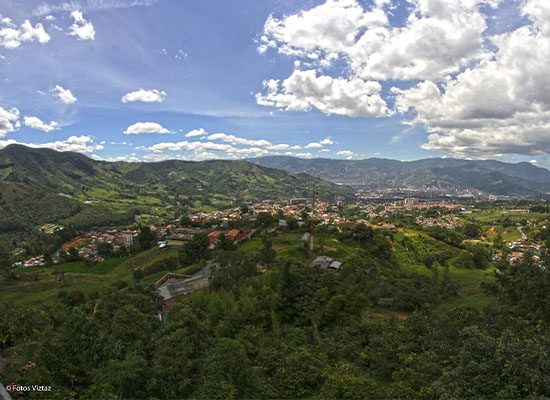
The small town of San Antonio de Prado is a place full of hills and viewpoints where you can interact with nature in the midst of large forest plantations and a diversity of flora, including orchids, bromeliads, palms, trumpet trees, and native vegetation.
What to Do
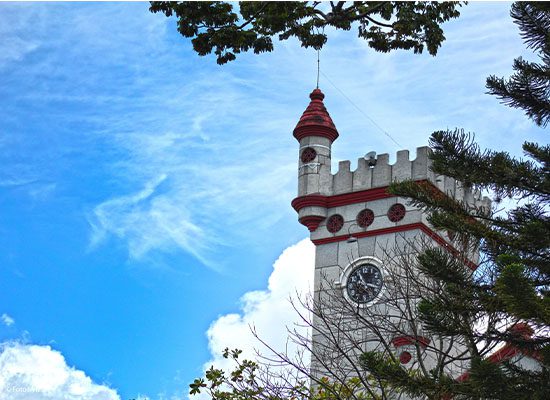
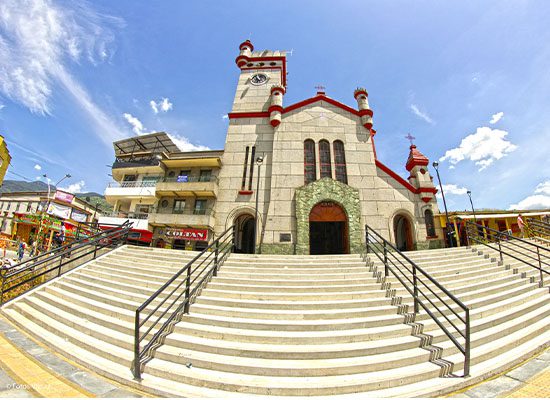
The main church of San Antonio de Prado is located in the central square of the small town. The church’s most prized piece is an 1869 painting of Our Lady of the Rosary of Chiquinquirá, currently preserved in the cultural center. Throughout its history, the building has undergone a series of remodeling, altering its formal characteristics, especially the facade. Elements such as the tower have given the church a “picturesque” aspect, evoking medieval architecture.
The chapel of Nuestra Señora de los Dolores was built more than 150 years ago on a piece of land donated by a local family for the veneration of Our Lady of Sorrows. In the chapel, there is a representation of the Holy Sepulchre and the image of the Divine Mercy, which has been there for more than 90 years.
Built with traditional materials and techniques, this 110-year-old house is a distinctive building of rural architecture. It has three bedrooms, a living room, and a kitchen. Formally and structurally, the house—including its comino-wood floors and ceilings—is well preserved without major remodeling, making it a great example of traditional rural housing.
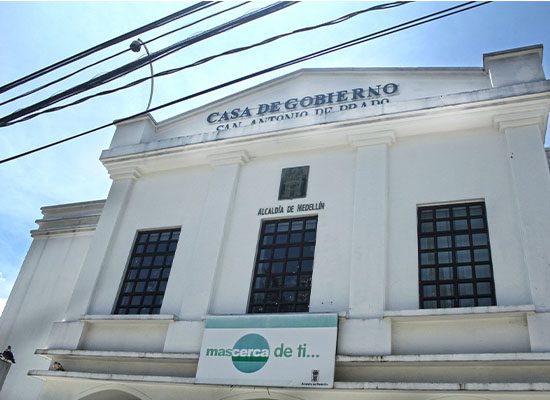
The cultural center of San Antonio de Prado is an old house that became a meeting place for various folkloric and other cultural groups. Originally used as a hospital, the building’s finishes—ceiling, floor, and walls—show deterioration.
The house preserves the aesthetic elements of traditional residential architecture and is in a good state of conservation. Its structure is based on the local construction tradition using stone, bricks, and rammed earth.
The Llano Grande Hermitage is a farm with a lodging house and a small chapel known as La Soledad. The space and structure of the chapel are well preserved, as well as the environment where it’s situated. The materials and how they were used—for the construction of semicircular arches inside the chapel for example—are noteworthy.
The monument to Christ the King is positioned on the hill with the same name: Cristo Rey. The installation of the monument was ordered by the presbyter Carlos Gómez on a property belonging to Mr. José Dolores Betancur. A large number of the population was involved by donating the money necessary for the installation, while Mr. Antonio Betancur and Mrs. Abigail Hurtado were in charge of placing the monument. The sculpture is well preserved because it has been restored on several occasions due to damages caused by lightning. The sculpture stands out for its strategic location in relation to the urban center, but it’s difficult to get there due to the natural conditions. The place could become more suitable for congregation if landscaping in its surroundings is improved.
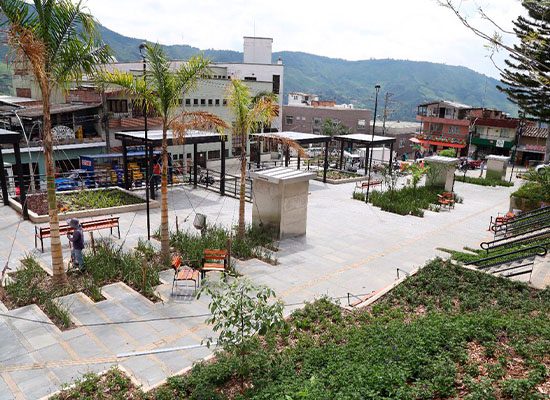
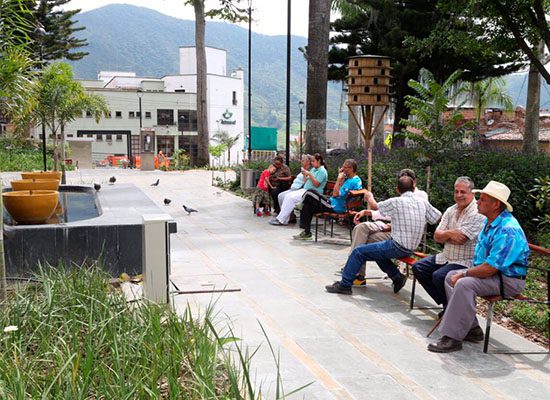
Located in its urban area, San Antonio de Prado’s central square dates back to the small town’s foundation and has seen several modifications over the years. Nowadays, it’s embellished with fruit trees and other plants and features a bust of the liberator Simón Bolívar, another of the local leader Mr. Manuel J. Betancur, and an image of the Immaculate Conception. The square is made up of traditional elements of public parks, and its terraces, which adjust the square to the natural terrain, are its most distinctive feature.
It’s a typical country house of the early twentieth century. Since it’s a private property, it has been preserved in good formal and structural conditions without major interventions. It’s a pleasant building without major architectural features.
The building is a good example of traditional rural architecture because it was constructed with traditional techniques and materials such as rammed earth and giant reed. The house doesn’t have major structural and formal modifications, but some deterioration is visible.
Alto de Canoas is a hill named after a very traditional farm in the area, which covers the entire extension of the hill. There is a native forest corridor preserved at the top of the hill, but also livestock and agricultural activity around it, which has drastically modified the landscape. The pressure for expanding the farming area is evident, which will lead very shortly to the extinction of the favorable natural conditions of the site.
It’s a natural viewpoint with a panoramic view of the Padre Amaya hill, the rural settlement of Yarumalito, and part of the urban area of San Antonio de Prado. The hill is a very extensive natural area that combines patula pine plantations for timber exploitation and native areas without any intervention.
From this hill, you can see a pleasant panoramic view of much of the small town of San Antonio de Prado. It’s surrounded by native forest, but there is not much diversity of flora or fauna. The place has been deforested little by little and its lower part is eroded.
This hill is a pilgrimage site, especially on May 3, day of the Holy Cross. The pilgrimage walk takes about two hours. From this hill, you can see a fine panoramic view of the urban area of San Antonio de Prado.
It’s a natural viewpoint overlooking the Valle de Aburrá and the other rural settlements of the small town. The hill is surrounded by native forests and plantations belonging to Industrias Forestales Doña María. The name of the hill comes from three large stones that are at its top, where paragliding and kite flying activities are practiced.
This waterfall is located in the Astilleros stream. It has a fall of approximately 20 meters and an altitude of 2500 meters above sea level. It’s surrounded by native vegetation contributing to the natural beauty of the waterfall and to the purification of the air.
It’s a waterfall found in the rural settlement of El Salado, but the source of its stream is in the rural settlement of Astilleros. With a fall of approximately 15 meters, it has crystal-clear waters and is surrounded by native flora and fauna.
It’s a natural reserve under the protection of the Regional Autonomous Corporation of Central Antioquia (Corantioquia) and is located between the municipality of Angelópolis, the municipality of La Estrella, and the small town of San Antonio de Prado in Medellín. Archeological remains of the first human settlements in the Valle de Aburrá have been found in this area. It also has an immense diversity of landscapes. The hill has more than 2000 species of birds and close to 1000 species of ferns, and 32 archeological sites have been identified within the reserve.
In this place, you can do different tourist activities, including hiking, which can become level 5 depending on the routes taken. From the viewpoints overlooking the Valle de Aburrá, you can enjoy the high Andean forests and interact with the ecosystem of this natural reserve considered the largest of the Metropolitan System of Protected Areas.
Where Is San Antonio de Prado and How to Get There?
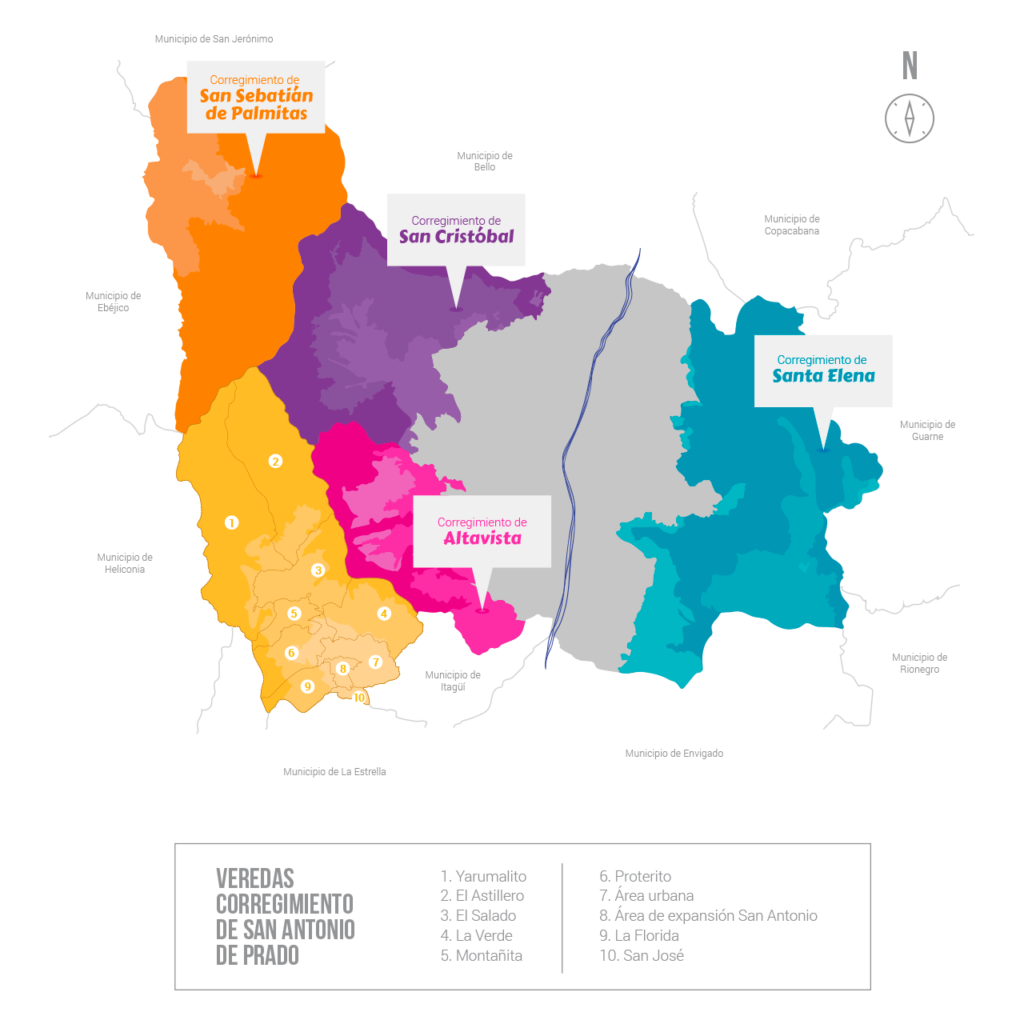
San Antonio de Prado is a small town of Medellín located southwest of the city. It is bordered to the north by the small towns of San Sebastián de Palmitas and San Cristóbal and to the south by the municipalities of Itagüí and La Estrella. Between San Antonio de Prado and Medellín is also the small town of Altavista.
To get to the urban area of San Antonio de Prado, you can take an integrated bus from La Estrella station on line A of the Medellín Metro.
The transportation cooperative Cootrasana is in charge of connecting San Antonio de Prado with Medellín’s downtown.
La distancia desde el Centro de Medellín hasta San Antonio de Prado es de 17 kilómetros y el costo promedio del trayecto para el 2020 es de 30.000 COP, 7,83 USD.
Desde el barrio Laureles la distancia es de aproximadamente 18 kilómetros y el trayecto para el 2020 es de 32.000 COP, 8,36 USD. La distancia desde El Barrio El Poblado, uno de los más populares entre los visitantes, es de aproximadamente 14,5 kilómetros y el costo promedio del trayecto para el 2020 es de 25.000 COP, 6,53 USD.
Recommendations
- Bring a tourist map of the small town and find out about the topographical and climatic conditions of the areas you plan to visit. In addition, make a copy of your passport, medical assistance card, and other documents.
- Use sunscreen even if it’s cloudy or sunless. Wear comfortable shoes and warm clothes, especially in the afternoon and at night, as the temperature can drop considerably.
- Since it’s a rural environment, you may have to be prepared for long walks; proper food and hydration will allow you to be on your feet during the whole route.
- Enjoy forests, lakes, historic roads, farms, and other spaces responsibly. Don’t leave your litter in these places or damage the flora and fauna of the territory.
- In addition to a camera with enough space, bring binoculars to closely observe the flora and fauna found in the area. Birdwatching is quite common there.
- Invest in the territory, support local businesses by buying their products.
Through the Buy Locally initiative, you can support the projects of producers, farmers, and artisans from the small towns of Medellín.