
Medellín: One Night is a story of transformation
Some cities change when the sun goes down. Others simply turn on their lights. In Medellín, we choose to experience the night differently.
Recently, the city was recognized in the ranking of the 50 Best Nightlife Destinations in the Americas and the Caribbean for 2026, taking the 21st spot. This list places us side by side with capitals such as Mexico City and Miami, highlighting our cultural scene, gastronomy, and that uniquely Medellín ability to reinvent ourselves in every setting.
But for those of us who live among these hills, the number is only the beginning. Nightlife in Medellín is not a recent trend; it is a conversation that goes way back.
At Medellín Travel, we like to think that the night does not replace the landscape; it is reinterpreted by those who walk through it. Ten years ago, we welcomed barely 200,000 foreign visitors. Today, with more than 1.2 million tourists each year, the city has learned to tell its story through anecdotes.
Because real stories are always told through what happens after sunset.
Let’s say the sun begins to hide behind the mountains and the plan calls for… Wait! We don’t have a plan, so let’s just let everything flow.
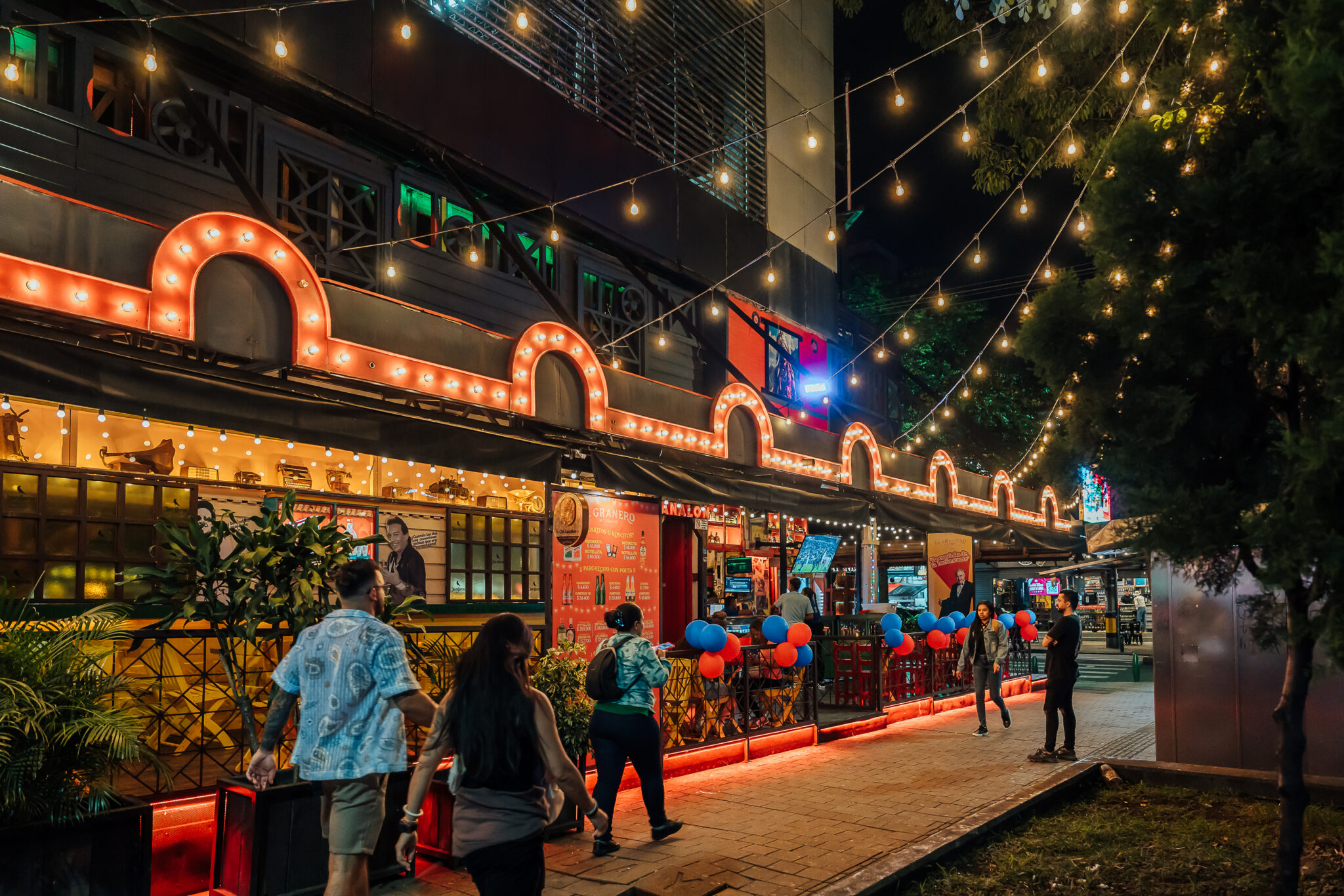
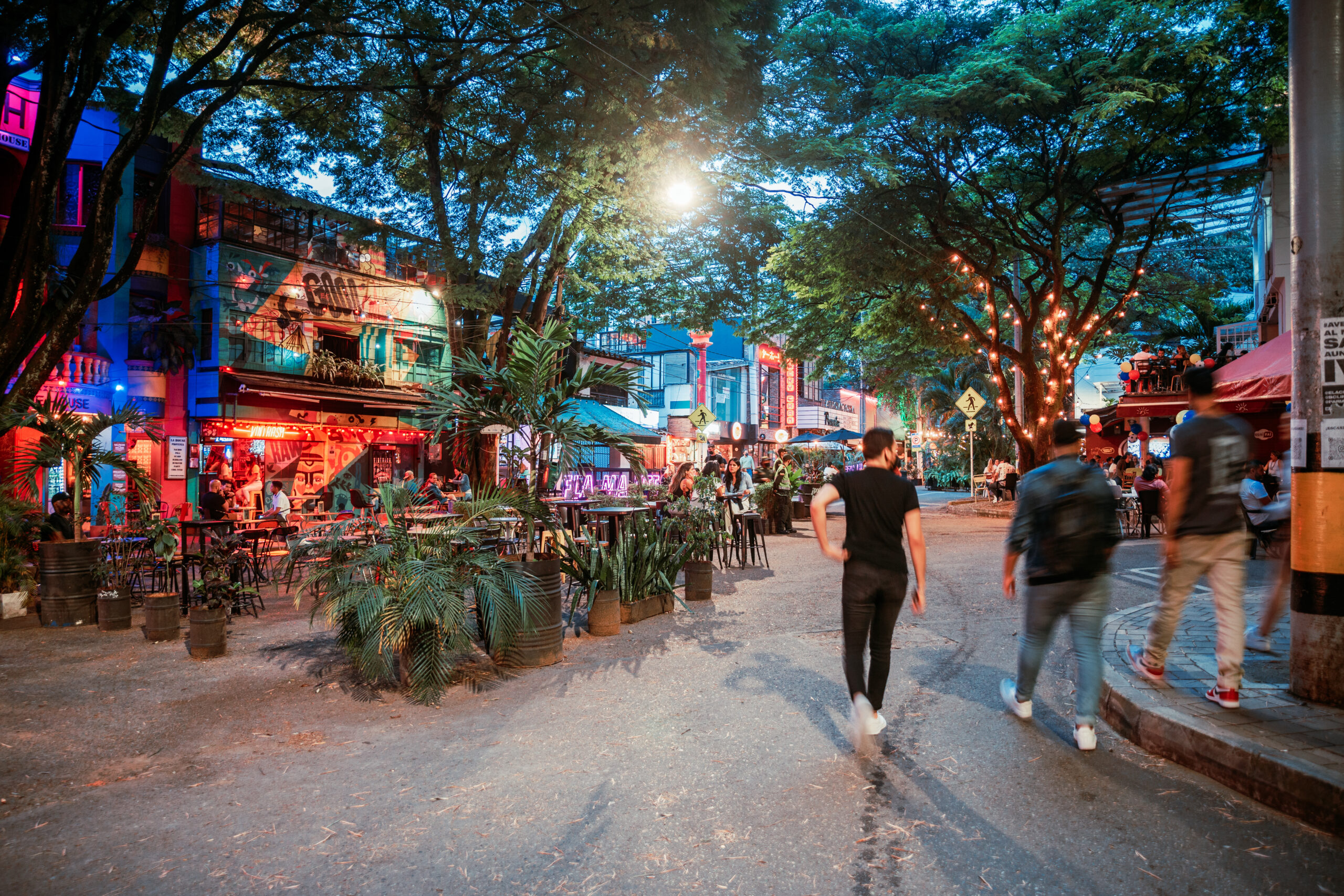
In Provenza, the plant-covered façades begin to light up while, on the rooftops, someone decides which cocktail best matches the view of the city. El Poblado has that rare ability to sound like several languages at once. In Parque Lleras, travelers, chefs, and DJs come together, all understanding that the night is a cosmopolitan experience.
Here, the movement starts early, around 5:00 p.m. You will find everything from a Tech House pool party to intimate dinners in Manila, where the journey moves at a slower pace. Manila is the place of small restaurants and tables that invite long conversations. Here, dinner is not just a stop along the way; it is the surprise of the route.
It is that part of the city where you can arrive without an itinerary and end up becoming a regular at a bar that was not even on your radar.
Comuna 13: the rhythm and color of a city in bloom
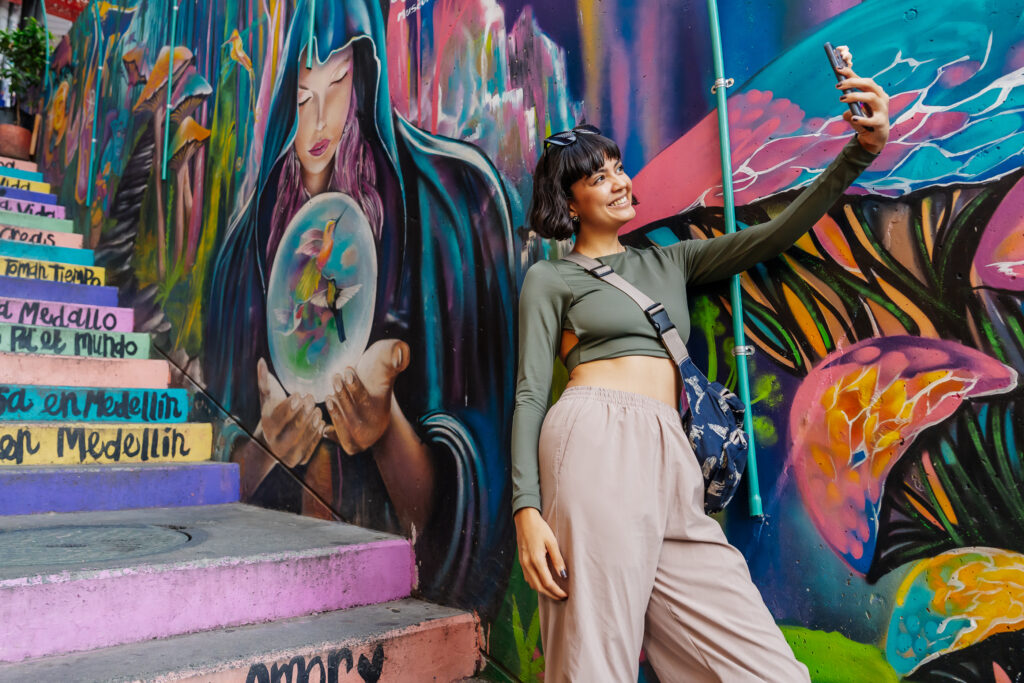
You cannot talk about transformation without going up to Comuna 13. What was once a territory of invisible borders is now Medellín’s greatest symbol of cultural and artistic transformation.
As evening falls, graffiti and hip-hop do not simply decorate the walls; they tell the story of a neighborhood that chose to trade noise for beats and spray paint.
Watching the city light up from its viewpoints, while local young people showcase their talent through breakdance improvisations, is to understand that the night here is a tool for peace and resilience.
Comuna 13 is the heart of a city that refuses to be the same as it was yesterday.
Downtown, Manrique, and Buenos Aires: doors that open
Don’t believe everything people say; Downtown Medellín has more life than you might imagine.
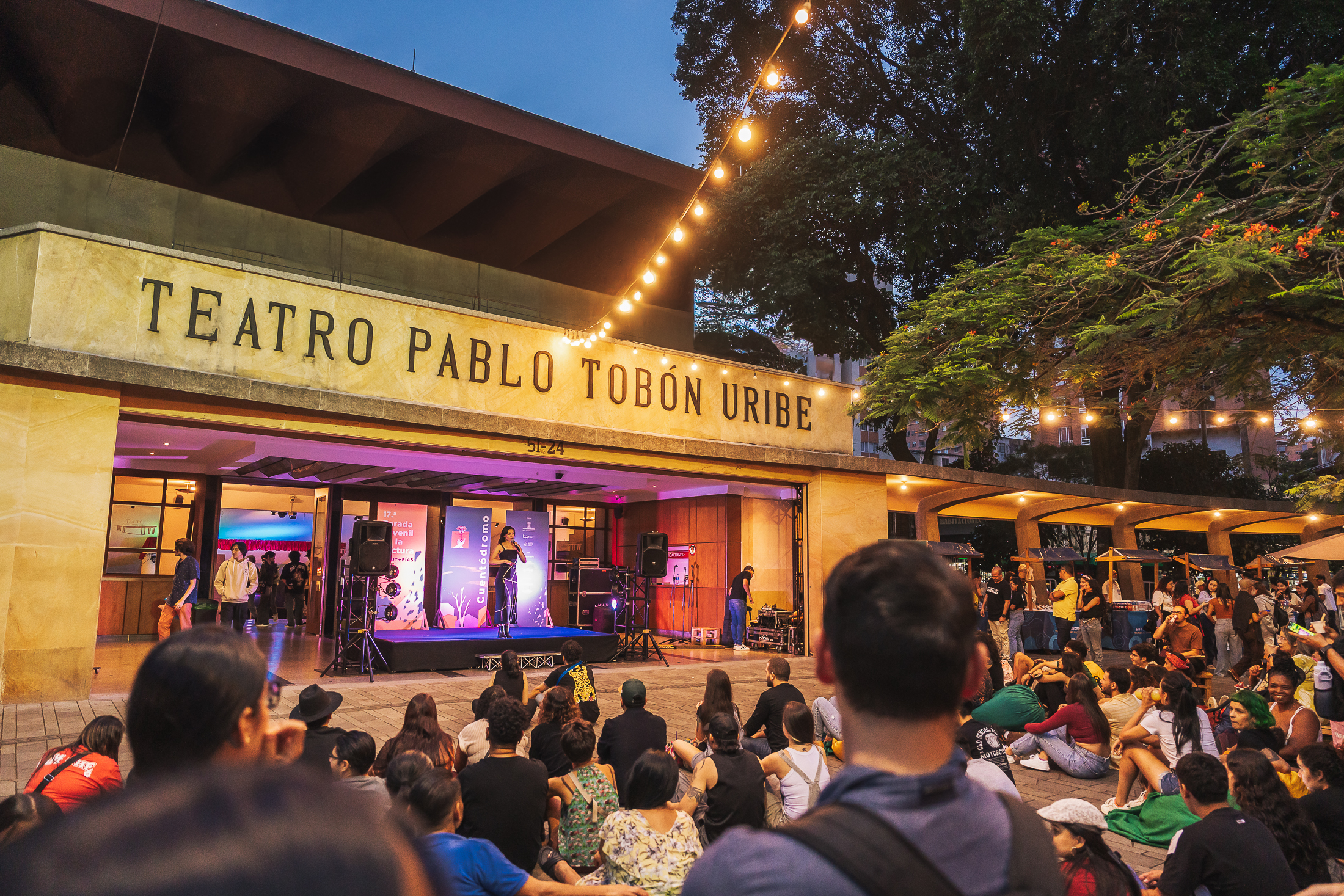
At Palacio Nacional, on the last Thursday of every month, Gallery Nights transform commercial corridors into a contemplative experience. Just a few streets away, Teatro Pablo Tobón Uribe opens its doors for performances on Tuesdays. There is something fascinating about seeing people choose theater over the silence of home.
If you head up to Manrique, you will come across the “Manrique es Tango” milonga at Casa Gardeliana. There, the spirit of tango remains a living practice, a ritual that connects us with our historical mystique.
It is proof that transformation also happens on the edges, in neighborhoods like Buenos Aires, where the Ayacucho Tram has become a path of colorful murals, music, and local commerce. And if you are curious, you cannot leave without trying chunchurria.
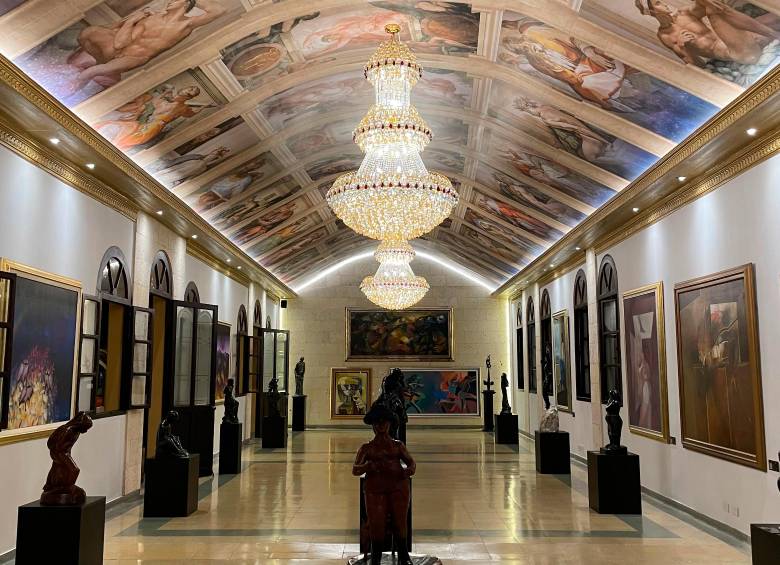
Tomado de El Colombiano
La 70 and Barrio Colombia: experiencing the night without permission
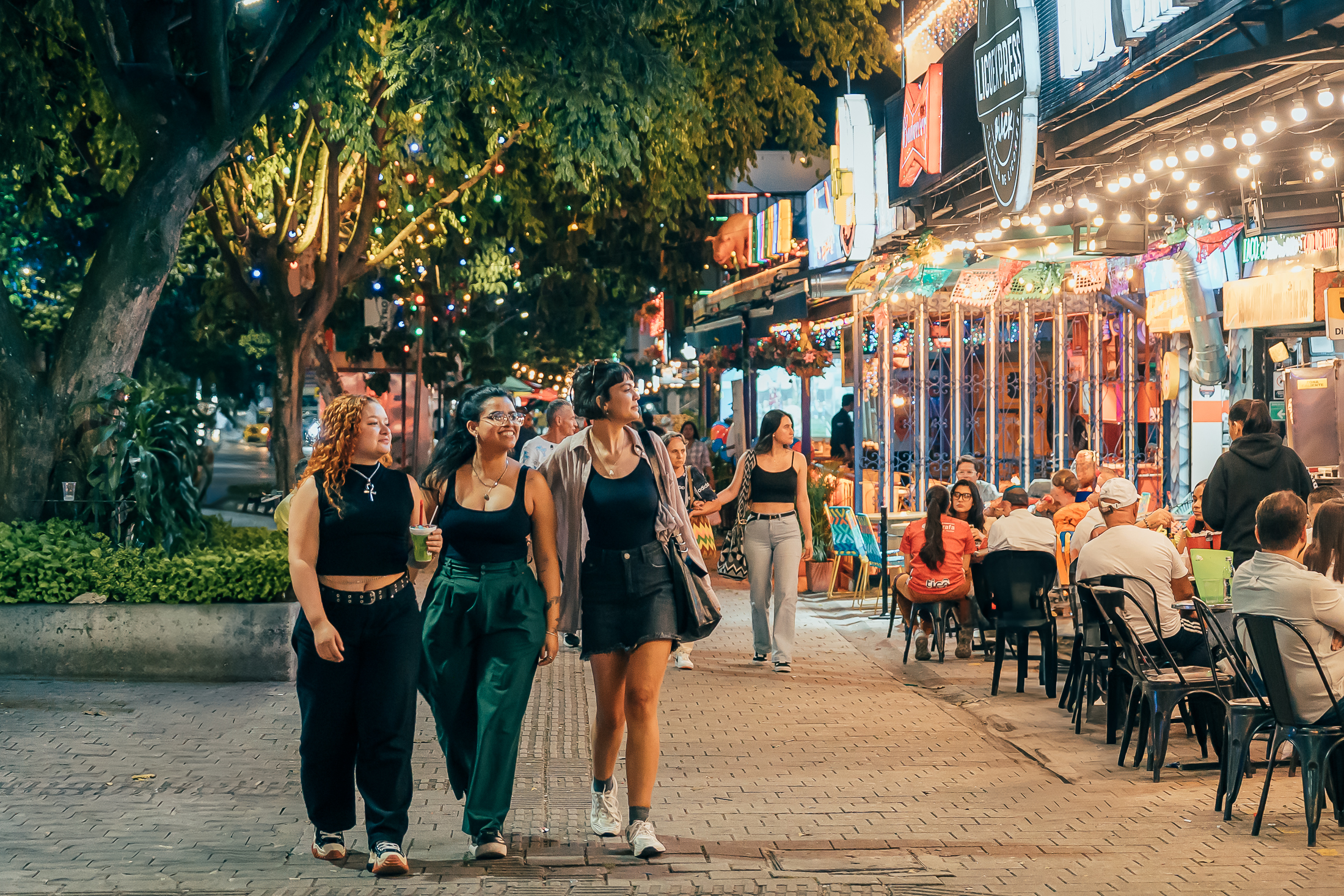
If you are looking for the purest essence of the night, you have to go to La 70 in Laureles. There, salsa does not need a formal stage; a table and a beer are enough for strangers to end up singing Héctor Lavoe songs together as if they had known each other their whole lives.
On the other side, in Barrio Colombia, old industrial warehouses now host some of the region’s most cutting-edge electronic music, proving how former workspaces can be reimagined for art, dance, and the pulse of the night.
MAMM, located in Ciudad del Río, has that magazine-cover feeling: families, couples, pets in green areas, and young people at the skatepark.
If your visit happens to fall on the last Friday of the month, the museum extends its hours from 6:00 to 10:00 p.m., inviting you to explore art, cinema, and music under the stars.
The night as a mirror
Nightlife in Medellín is a reflection of its resilience. A downtown that was once avoided is now explored through its cultural agenda; milongas survive in neighborhoods that refuse to forget.
If someone asks you what to do in Medellín at night, invite them to walk. Transformation is not found in the noise. It is found in the ability to coexist with all these rhythms at the same time.
At Medellín Travel, we invite you to share your own stories and become part of the transformation of a city that does not go to sleep early, but reinvents itself after dark.
Did you like this post?
Follow us on social media at @medellin_travel and remember to tag us in your photos around Medellín.
See you here!